
Additives Colors For Cosmetics
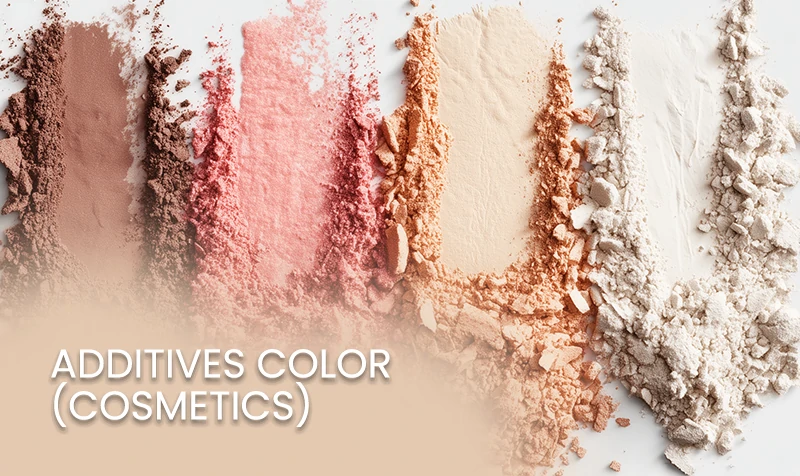
The inclusion of color in cosmetics is a defining feature of the beauty industry, but in the United States, it is also one of the most strictly overseen areas of product safety. The Food and Drug Administration (FDA) maintains a distinct legal structure for color additives, ensuring that every pigment and dye used in topical applications meets rigorous safety standards before it reaches the market.
The Legal Status of Colorants Under the FD&C Act
Under the Federal Food, Drug, and Cosmetic (FD&C) Act, color additives are the only cosmetic ingredients that require mandatory pre-market approval by the FDA. A color additive is defined as any dye, pigment, or substance that can impart color to a food, drug, or cosmetic. Using an unapproved color additive or utilizing a permitted color in a manner inconsistent with its specific listing results in an "adulterated" product. This classification can lead to severe enforcement actions, including product seizures and import alerts at the border.
Specific Restrictions for Eyes and Lips
The FDA provides highly specific listings for where a color additive may be applied. Some colors are approved for general use but are strictly prohibited in the area of the eye. Similarly, certain pigments permitted in nail polish may not be used in lipsticks due to potential ingestion risks. Manufacturers must verify the "Intended Use" column of the FDA color tables to ensure every ingredient is legally compliant for its specific application.
Certified versus Exempt Color Additives
The FDA categorizes color additives into two main groups, each with different compliance pathways:
- Certified Colors: These are synthetic pigments derived from petroleum or coal-tar sources. Each batch of these colors must be tested and certified by the FDA to ensure they meet chemical purity specifications. These are identified on labels with nomenclature such as FD&C Blue No. 1 or D&C Red No. 27.
- Exempt Colors: These are typically derived from plant, animal, or mineral sources, such as mica, iron oxides, or beet powder. While these do not require batch-by-batch testing, they must still comply with all safety and purity standards defined in the Code of Federal Regulations (CFR).
Strategic Alignment with MoCRA Requirements
With the implementation of the Modernization of Cosmetics Regulation Act (MoCRA), the landscape of cosmetic safety has expanded. Compliance now requires a broader focus on adverse event reporting, facility registration, and safety substantiation for all formulations, including those using complex color systems. To assist manufacturers in managing these expanded requirements contact us.