
Cosmetics Definition
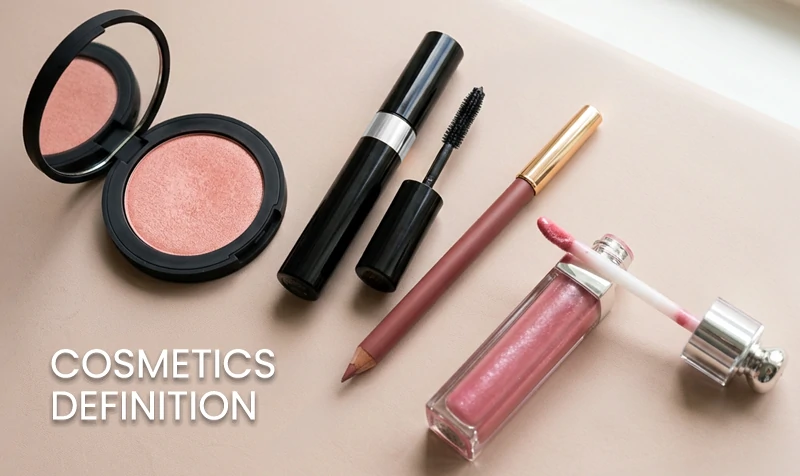
A cosmetic is any substance, preparation, or article designed to be applied directly to the external parts of the human body, including the epidermis, hair system, nails, lips, and external genital organs, or to the teeth and the mucous membranes of the oral cavity. Its primary and universal functions are to cleanse them, perfume them, change their appearance, protect them, keep them in good condition, or correct body odors. From everyday necessities like shampoos, soaps, and deodorants to specialized items like foundations, lipsticks, and anti-aging serums, cosmetics encompass a vast array of formulations manufactured for aesthetic enhancement and personal hygiene. Crucially, a true cosmetic operates superficially, altering physical appearance or cleanliness without penetrating or altering the deeper therapeutic or physiological pathways of human biology.
Strategic Implications for the United States Market
For manufacturers, distributors, and sellers aiming to commercially exploit the lucrative United States beauty and personal care market, understanding this fundamental definition is not merely academic, it is a critical operational imperative. When a business decides to import, manufacture, or distribute these goods within the US, the boundary of what constitutes a cosmetic is strictly scrutinized. Misinterpreting this definition can result in catastrophic supply chain disruptions, product rejections at ports of entry, and severe financial losses. To successfully commercialize products, business entities must analyze their formulations through the lens of federal oversight, ensuring that their marketing, labeling, and chemical compositions align perfectly with specific statutory classifications.
FDA Categorization and the Drug vs. Cosmetic Boundary
In the United States, the Food and Drug Administration (FDA) is the federal regulatory authority tasked with overseeing these products. The FDA categorizes products based primarily on their intended use, which is established through labeling claims, advertising materials, consumer perception, and the inclusion of specific active ingredients. If a product is marketed solely to beautify, cleanse, or alter appearance, it remains classified as a cosmetic. However, if a product claims to treat or prevent a disease, or alter the structure or function of the human body, it transitions into the drug category.
For example, a standard moisturizing lotion is a cosmetic, but a lotion that claims to treat eczema or protect the skin from sun damage (containing SPF) is legally classified as a drug, or a dual-classification product. Manufacturers and distributors must carefully audit every marketing claim, as improper phrasing can inadvertently classify a cosmetic as an unapproved new drug, triggering immediate regulatory enforcement, product detentions, and warning letters.
Modern Regulation Under MoCRA
The landscape of cosmetic regulation in the United States has undergone its most profound transformation in decades due to the full implementation of the Modernization of Cosmetics Regulation Act (MoCRA). For all commercial entities in the supply chain, MoCRA has shifted the regulatory paradigm from a historically voluntary compliance system to a strictly mandatory framework. Under MoCRA, the FDA possesses expanded authority to monitor and regulate the cosmetic industry, enforcing stringent obligations that manufacturers and distributors must meet to retain market access.
Key compliance pillars under the MoCRA framework include:
- Facility Registration: Both domestic and foreign facilities that manufacture or process cosmetic products for distribution in the US must register directly with the FDA. Foreign facilities must also designate a US agent for regulatory communication.
- Product Listing: Responsible enterprises must submit a comprehensive product listing to the FDA, which includes the qualitative and quantitative composition of the product, including all ingredients and structural details.
- Safety Substantiation: Companies are legally obligated to maintain robust, scientifically valid evidence demonstrating that their cosmetic formulations are safe for consumer use before they are introduced into commerce.
- Adverse Event Reporting: Serious adverse events associated with the use of a cosmetic product must be reported to the FDA within 15 business days, and companies must maintain detailed records of all health-related complaints.
Crucial Ingredients: A Note on Color Additives
In addition to the systemic oversight mandated by MoCRA, businesses must pay strict attention to the specific ingredients embedded within their formulations, most notably color additives. The FDA exercises absolute pre-market approval authority over any dye, pigment, or substance used to impart color to a cosmetic product or to the human body. Unlike other cosmetic ingredients, color additives require strict adherence to regulatory lists and, in many cases, mandatory batch certification by the FDA’s own laboratories before they can be legally distributed. Utilizing an unauthorized or uncertified color additive immediately renders a cosmetic product adulterated under US law, exposing the distributor to immediate product seizures and legal injunctions.
Conclusion
The US cosmetic market requires an absolute commitment to regulatory transparency. By aligning corporate practices with the strict definitions enforced by the FDA and fulfilling the comprehensive operational mandates of MoCRA, manufacturers, sellers, and distributors can safeguard their investments and achieve sustainable commercial growth.